
Table of Contents
ToggleGlaucoma and Medical Marijuana: Can Cannabis Lower Eye Pressure?
Glaucoma is one of the earliest conditions for which medical cannabis was specifically recognized, and it remains on the qualifying condition list of virtually every state with a medical marijuana program. The connection between cannabis and intraocular pressure reduction has been documented since the 1970s, making glaucoma one of the most historically significant qualifying conditions in the history of medical marijuana advocacy and policy. This guide explains the science of how cannabis affects glaucoma, what the research shows, the limitations ophthalmologists consider, which states list glaucoma as a qualifying condition, and how Elevate Holistics can help you get your medical marijuana card.
What Is Glaucoma?
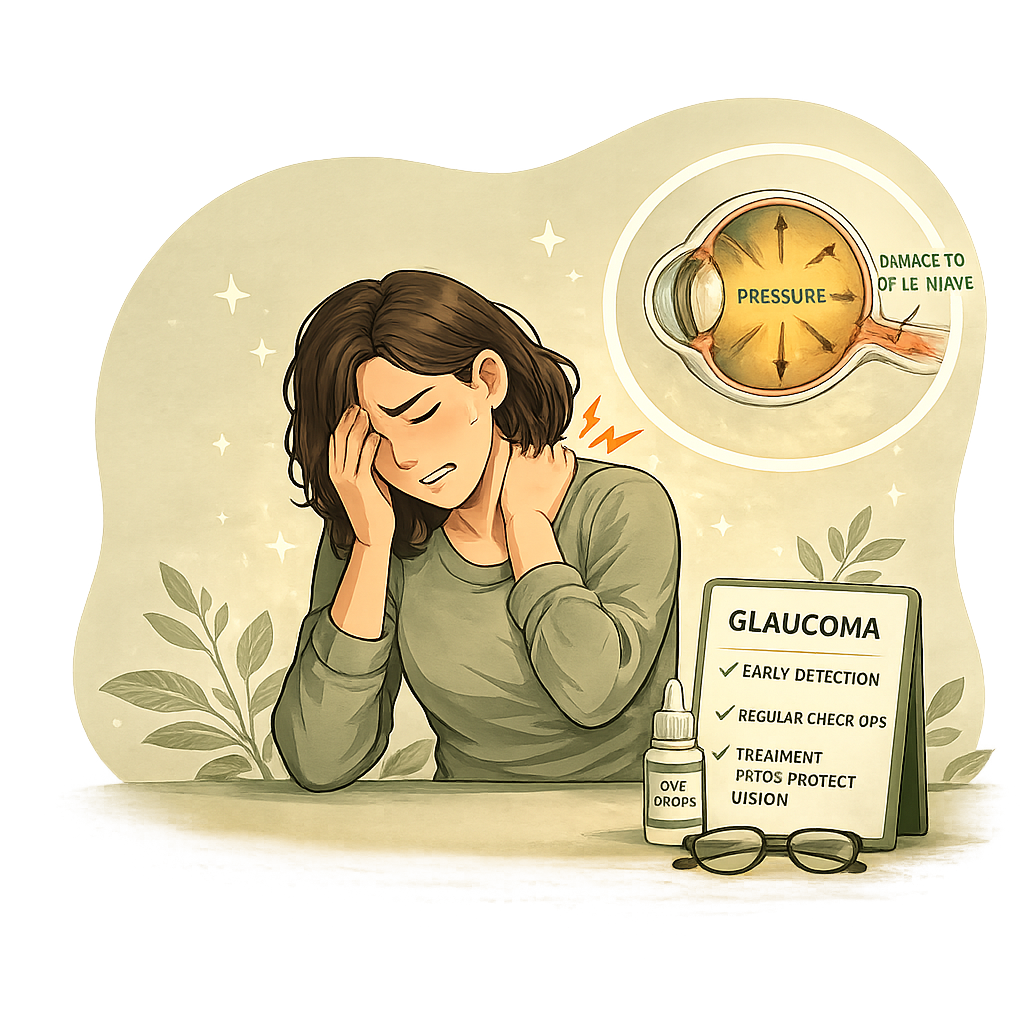
Glaucoma is not a single disease but a group of related eye conditions all characterized by damage to the optic nerve, the cable that transmits visual information from the eye to the brain. It is the second leading cause of blindness worldwide, affecting approximately 3 million Americans, though roughly half are unaware they have the condition because early glaucoma typically causes no pain or vision changes.
In most forms of glaucoma, elevated intraocular pressure (IOP) is the primary risk factor and the main treatment target. The eye continuously produces a fluid called aqueous humor that nourishes the anterior structures of the eye and drains out through a trabecular meshwork at the angle where the iris meets the cornea. When this drainage system becomes obstructed or inefficient, fluid accumulates, IOP rises, and sustained elevated pressure damages the optic nerve over time.
The two most common types of glaucoma are:
- Primary Open-Angle Glaucoma (POAG) – The most prevalent form, representing approximately 90% of glaucoma cases. The drainage angle remains open but becomes progressively less efficient. Vision loss is gradual, beginning in the peripheral field, and is often not noticed until significant damage has occurred.
- Angle-Closure Glaucoma – The iris blocks or narrows the drainage angle. Can progress slowly (chronic) or present as a sudden, painful acute attack with rapid IOP rise requiring emergency treatment.
Other types include normal-tension glaucoma, where optic nerve damage occurs without elevated IOP, and secondary glaucomas caused by other conditions such as eye injury, inflammation, or medication side effects. Treatment for glaucoma primarily focuses on reducing IOP through prescription eye drops, laser procedures, or surgery to slow or halt optic nerve damage.
The History of Cannabis and Glaucoma
The discovery that cannabis could lower intraocular pressure emerged from an unexpected observation in the early 1970s. Researchers studying the effects of cannabis noted that study participants who smoked marijuana showed a significant reduction in IOP. Subsequent controlled studies through the 1970s and 1980s, including federally sponsored research through the U.S. government’s Investigational New Drug (IND) program, confirmed that cannabis could reduce IOP by 25-30% in glaucoma patients.
This well-documented effect is part of why glaucoma became one of the first conditions recognized in state medical marijuana legislation, beginning with California’s Proposition 215 in 1996 and spreading through subsequent state programs. The IOP-lowering effect of cannabis gave the medical marijuana movement a scientifically grounded argument at a time when research on cannabis for other conditions was extremely limited.
We Have a 99% Approval Rate
How Cannabis Lowers Intraocular Pressure
The mechanism by which cannabis reduces IOP involves cannabinoid receptor activity in the eye. CB1 and CB2 receptors are expressed in the ciliary body (which produces aqueous humor), the trabecular meshwork (the primary drainage pathway), and other ocular structures. When THC and other cannabinoids activate these receptors, they reduce the production of aqueous humor and may enhance outflow through uveoscleral drainage pathways, collectively reducing the volume of fluid in the eye and lowering IOP.
The effect applies to both eyes, even when cannabis is administered through inhalation or orally, indicating that the IOP reduction is mediated systemically through the bloodstream rather than requiring direct topical contact with the eye. This distinguishes cannabis from most glaucoma eye drops, which work locally.
THC is the primary cannabinoid responsible for the IOP-lowering effect. CBD, interestingly, does not consistently reduce IOP and may actually attenuate THC’s IOP-lowering action in some studies. For glaucoma, THC-containing formulations are therefore more pharmacologically relevant than CBD-only products.
The Clinical Context: Benefits and Limitations
The IOP-lowering effect of cannabis is real and well-established. However, ophthalmologists approach cannabis for glaucoma with important nuance that patients should understand:
Duration of Effect
The most significant limitation is that cannabis lowers IOP for only approximately 3-4 hours per dose when smoked or inhaled. Standard glaucoma eye drops like prostaglandin analogs (latanoprost, bimatoprost) maintain IOP reduction for 24 hours with once-daily dosing. To match this coverage with cannabis, a patient would theoretically need to dose 6-8 times daily, raising concerns about sustained cognitive effects, tolerance development, and practical adherence.
Systemic Effects
Oral cannabis formulations affect IOP more modestly and with even more variable duration. They also introduce systemic THC effects that may not be appropriate for all patients, particularly older individuals who are at higher risk for falls, cognitive effects, or cardiovascular effects from THC-related increases in heart rate.
Normal-Tension Glaucoma
For patients whose glaucoma progresses despite normal or even treated IOP (normal-tension glaucoma), the IOP-lowering benefit of cannabis is less directly relevant. However, some researchers suggest cannabinoids may have neuroprotective effects on the optic nerve independent of IOP reduction, which could be relevant for these patients.
As Adjunctive Therapy
Many glaucoma patients use cannabis as an adjunct to, rather than a replacement for, their conventional glaucoma medications. In this context, cannabis may provide additional IOP lowering during periods of elevated pressure or as a supplemental tool when standard medications alone are insufficient.
Cannabis and Neuroprotection in Glaucoma
Beyond IOP reduction, researchers are increasingly interested in the potential neuroprotective effects of cannabinoids on retinal ganglion cells, the neurons whose axons form the optic nerve. Animal studies have shown that CBD and other cannabinoids can protect retinal cells from excitotoxicity, oxidative stress, and inflammation, all processes involved in glaucomatous optic nerve damage.
A 2020 study examining cannabinoid receptor expression in human retinal tissue found CB1 and CB2 receptors on retinal ganglion cells, suggesting these cells are direct targets of cannabinoid activity. Whether this translates to clinically meaningful neuroprotection in human glaucoma patients is an active area of investigation, but the biological rationale is compelling.
States Where Glaucoma Qualifies for Medical Marijuana
Glaucoma is one of the most widely recognized qualifying conditions in the United States. It is explicitly listed in medical marijuana programs in:
Alabama, Arizona, Arkansas, California, Colorado, Connecticut, Delaware, Florida, Hawaii, Illinois, Louisiana, Maine, Maryland, Michigan, Minnesota, Missouri, Montana, Nevada, New Hampshire, New Jersey, New Mexico, New York, North Dakota, Ohio, Oklahoma, Oregon, Pennsylvania, Rhode Island, Utah, Vermont, Virginia, Washington, West Virginia, and Washington D.C.
Qualifying typically requires documentation of a glaucoma diagnosis from a licensed ophthalmologist or optometrist, along with current IOP or treatment history. Our physicians at Elevate Holistics can review your diagnosis documentation and guide you through your state’s specific requirements.
Protect Your Vision with Legal Medical Cannabis
Glaucoma is a progressive condition where protecting the optic nerve from ongoing damage is critical. Medical cannabis offers a documented, legal, and accessible tool for IOP management that may complement your existing treatment plan. At Elevate Holistics, our licensed physicians can certify you quickly and confidentially, entirely online, in 30 minutes or less.
Book your appointment today. Your eye health deserves the full range of available options.
Get Approved for Medical Marijuana Treatment
Frequently Asked Questions About Medical Marijuana and Glaucoma
Is glaucoma a qualifying condition for medical marijuana?
Yes. Glaucoma is one of the original qualifying conditions in many state medical marijuana programs and remains on the qualifying condition list in the majority of states with medical cannabis laws, including Arizona, Arkansas, California, Colorado, Connecticut, Delaware, Florida, Hawaii, Illinois, Louisiana, Maine, Maryland, Michigan, Minnesota, Missouri, Nevada, New Hampshire, New Jersey, New Mexico, New York, North Dakota, Ohio, Oklahoma, Oregon, Pennsylvania, Rhode Island, Utah, Vermont, Virginia, Washington, West Virginia, and Washington D.C., among others.
Does marijuana lower eye pressure in glaucoma?
Yes. Clinical research has established since the 1970s that cannabis reduces intraocular pressure by 25-30% in individuals with both normal and elevated IOP. THC is the primary compound responsible for IOP reduction, acting on CB1 receptors in the ciliary body to reduce aqueous humor production and improve drainage.
Why don't ophthalmologists widely recommend marijuana for glaucoma?
The main limitation of cannabis for glaucoma is the duration of the IOP-lowering effect, which lasts only 3-4 hours per dose. Standard glaucoma medications provide 12-24 hours of IOP control. Most ophthalmologists prefer medications with more sustained action, though cannabis remains a recognized option for appropriate patients, particularly as adjunctive therapy.
Are there cannabis eye drops for glaucoma?
Cannabis eye drops are an active area of pharmaceutical research but none are currently FDA-approved or commercially available. Research has been complicated by the poor water solubility of cannabinoids, making stable topical formulations challenging to develop.
Can CBD help glaucoma without the psychoactive effects?
Unlike THC, CBD does not consistently reduce IOP and some research suggests it may partially counteract THC's IOP-lowering effect. For glaucoma, THC-containing products are more pharmacologically relevant. CBD may still provide ancillary benefits through neuroprotective and antioxidant properties. A physician can help determine the appropriate formulation for your situation.