


What Terpenes are Good for Anxiety?
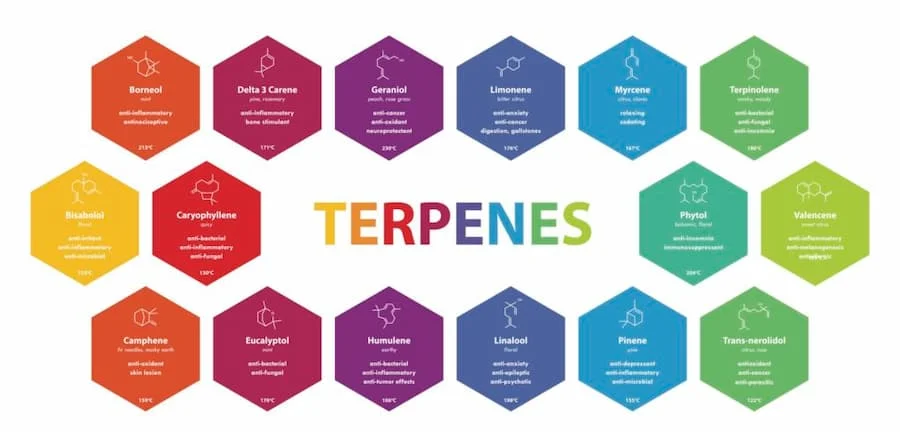
The effectiveness of cannabis in helping with anxiety has a lot to do with different factors. And, as you already know, one of these factors is that it contains special chemicals: terpenes. It is these compounds that help to induce that feeling of calmness and relaxation. There are several of them, but the most common ones that remain a go-to as anti-anxiety terpenes are the ones we’ve broken down below.
Beta-Caryophyllene
Beta-caryophyllene has anti-inflammatory properties that earn it a spot on the list of best terpenes for anxiety. Strains that are rich in beta-caryophyllene are usually the most restful and calming strains you can use — especially when you’re full of anxiety.
Pre-clinical research shows that this sharp-scented terpene commonly found in black pepper and lemon balm also has antidepressant properties. Beta-caryophyllene is a famous terpene for its ability to interact with the CB2 receptors present in the body. These receptors are primarily responsible for the non-psychoactive benefits of THC.
Limonene
When encountered, limonene gives off a citrusy sensation. Why? Because it is from the oil of citrus peels like oranges or lemons, of course! It remains one of the best terpenes for anxiety and helps relieve restlessness or paranoia. Not only does it help with managing anxiety, but it also potentially acts as an antidepressant, among other known functions.
Myrcene
Myrcene is a popular terpene present in different herbs that help treat pain and inflammation. It is a monoterpene that is also very much present in cannabis. When it comes to strains that are best for treating anxiety, they mostly contain myrcene terpenes.
One impressive feature of this terpene is its interaction with THC. It appears as though it can potentially supercharge the effects of THC to produce a more effective and longer-lasting high. Myrcene has sedative and anti-inflammatory effects, and its sedative effects remain a significant factor that makes it a great terpene for anxiety.
Alpha-pinene
As the name suggests, you’ll find alpha-pinene straight from pine trees. This earthy terpene helps reduce inflammation, increase cognitive function, reduce anxiety, and can alleviate depressive symptoms.
Right now, the research on the effects of alpha-pinene on anxiety isn’t so comprehensive; however, a few studies show some promising results. For instance, thisstudy on animals shows the anti-anxiety potentials of alpha-pinene when inhaled.
Linalool
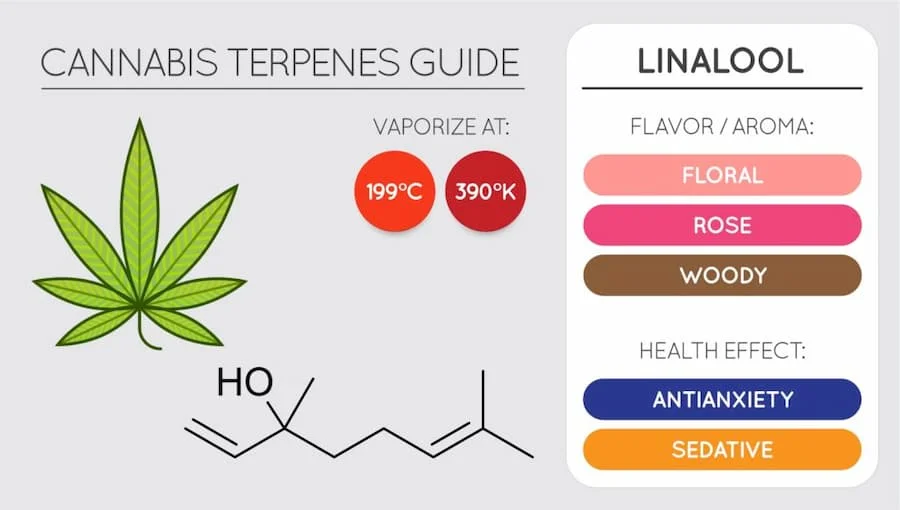
Linalool is a compound present in different plants such as lavender (remember what we mentioned earlier?), jasmine, and basil. It also is present in most strains that help relieve anxiety and depression.
Along with its anti-anxiety properties, this calming terpene has the potential to help alleviate depression, as well. Its soothing characteristics are ideal for relaxing the mind, supporting the body, and helping you feel like everything’s okay. (Because, with cannabis, it totally is.)
What are the Worst Terpenes for Anxiety?
While many terpenes offer a serene escape, it’s key to remember that not every terpene is your ally in the battle against anxiety. For instance, Ocimene, known for its sweet, herbaceous aroma, might sound appealing but can actually exacerbate anxiety symptoms for some. You can find it a lot in nature in various plants like mint, parsley, and orchids.
How Do Terpenes Affect The Brain?
Terpenes impact the brain by interacting with receptors and neurotransmitters, affecting mood, stress, and pain perception. Limonene, for example, may boost mood and reduce stress by raising serotonin levels, while linalool offers sedative properties for anxiety relief and sleep promotion.
These effects are partly mediated by the olfactory system, with terpenes activating receptors in the limbic system, crucial for emotional regulation. Additionally, certain terpenes like myrcene can cross the blood-brain barrier, directly influencing brain cell activity and neurotransmitter dynamics, enhancing the effects of THC and offering muscle relaxation.
What is The Powerful Entourage Effect?
The entourage effect is a concept suggesting that the various compounds in cannabis, including cannabinoids and terpenes, work together synergistically to produce a more potent and comprehensive therapeutic effect than any single compound could on its own. This effect implies that the medicinal impact of the whole cannabis plant is greater than the sum of its parts.
When terpenes interact with cannabinoids such as THC (tetrahydrocannabinol) and CBD (cannabidiol), they can modulate and enhance the effects of these compounds. For example, certain terpenes may increase the absorption of cannabinoids, reduce their potential side effects, or even enhance their therapeutic benefits, leading to improved outcomes for conditions like anxiety, depression, and pain.
This synergy between terpenes and cannabinoids is what makes the entourage effect so powerful. Terpenes, with their unique aromas and flavors, not only contribute to the sensory experience of cannabis but also play a key role in the plant’s therapeutic properties. They can affect neurotransmitters and receptors in the brain, potentially altering mood, pain perception, and inflammation, among other effects.
By working in harmony, these compounds can offer a more balanced and effective approach to treatment, supporting the theory that whole-plant extracts are more beneficial than isolated cannabinoids for medical purposes.
The Difference Between Terpenes and Cannabinoids
Terpenes and cannabinoids are both vital compounds found in the cannabis plant, but they serve distinct roles and have different effects on the human body. Cannabinoids are chemical compounds that interact directly with the body’s endocannabinoid system (ECS), a complex network of receptors that plays a key role in regulating various physiological processes, including pain sensation, mood, and appetite. THC and CBD are the most well-known cannabinoids, with THC being psychoactive and responsible for the “high” associated with cannabis use, and CBD being non-psychoactive and lauded for its therapeutic benefits without inducing a high.
Terpenes, on the other hand, are aromatic compounds found not only in cannabis but also in a wide variety of other plants and some insects. They are responsible for the distinct scents and flavors of cannabis strains. Beyond their sensory attributes, terpenes also have their own therapeutic properties, such as anti-inflammatory, anti-anxiety, and analgesic (pain-relieving) effects.
Unlike cannabinoids, terpenes do not interact with the ECS in the same direct manner. Instead, they can influence the body by interacting with various other biological systems, including the olfactory system and potentially other non-ECS receptors, modulating the effects of cannabinoids and contributing to the entourage effect.
What Strains Contain the Best Terpenes for Anxiety and Depression?
Now that we know the terpenes that help the most in relieving anxiety and depression, let us look at some of the best strains that contain these terpenes. In no particular order, these strains include:
Harlequin
Harlequin is one of the best medicinal marijuana strains around. It contains CBD and THC in a 5:2 ratio and includes a fine combination of terpenes such as myrcene, alpha-pinene, and beta-caryophyllene. It is a high-CBD strain that wouldn’t cause you to be too intoxicated (if at all), which means you can safely consume it during the day.
LEARN MORE: How CBD Works in 1:1 Strains and with Terpenes
Blueberry Cheesecake
The name itself sounds like something you would want to try even on your low days. This strain sounds good, smells good, and tastes good, but that is nothing compared to how relaxing its effects can be. If you feel anxious or depressed or need something to boost your overall zen, Blueberry Cheesecake is the tasty strain for you. It contains a decent combination of myrcene, beta-caryophyllene, and limonene in the proper proportions.
MediHaze
MediHaze is a CBD-rich strain that often contains an equal ratio of CBD and THC or a slightly higher ratio of CBD, and it is a top choice for those wanting to treat anxiety or depression. This strain contains high levels of CBD, which provides you with rapid antidepressant effects. It includes a good amount of terpenes such as limonene, beta-caryophyllene, and linalool.
Super Sour Diesel
Super Sour Diesel is known for its energizing and stimulating effects as it contains high levels of limonene, beta-caryophyllene, and bisabolol. SSD can have a very high level of THC, so it is best to use it in a moderate amount. After all, too much THC can make anxiety worse, especially after its euphoric effects wear off.
OG Kush
OG Kush contains high levels of myrcene, limonene, beta-caryophyllene, and linalool. The combination of all three strains gives you that mood-boosting effect, while the presence of myrcene can help you benefit from its sedative effects.
Remedy
Another strain that would effectively relieve your anxiety level is Remedy. This potent strain is known to help reduce stress levels — significantly. Remedy contains a fine combination of myrcene, beta-caryophyllene, and alpha-pinene. It is the best bet for those who are all about feeling relief without any psychoactive effect.
Remedy leaves you feeling relaxed and in a state of tranquility which makes it very good for your overall health and wellness.
White Widow
White widow is another popular strain for its terpene profile. It boasts a beautiful combination of myrcene and beta-caryophyllene. Its blend makes it a suitable strain to boost euphoria and shoot down stressful thoughts throughout the day.
Bubba Kush
Bubba Kush is known for its sedative effects and contains high myrcene, beta-caryophyllene, and alpha-pinene levels. If you are looking for something to help you relax when feeling depressed or anxious, Bubba Kush is your go-to strain.
Cannatonic
Cannatonic is relatively high in myrcene, and this boosts its calming effect. This strain can be consumed at any time during the day as it wouldn’t cause you to feel sedated. It also helps reduce anxiety while also working for painful migraines and other body aches. (Not to mention, this strain is incredibly potent, so be prepared to feel high in the sky.)
Northern Lights
Northern lights are trendy among those looking for a strain that reduces pain, insomnia, and anxiety. It is an Indica-dominant strain with a tranquilizing effect that you would find helpful in relaxing and toning down your roaming mind.
Lab tests show that it contains 0.97% of myrcene and 0.35% of alpha-pinene, which are terpenes that contribute to giving you a calming and soothing effect when you use it.