

Table of Contents
ToggleA new federal report puts a persistent fear to rest. SAMHSA’s newly published 2025 National Survey on Drug Use and Health answers one of cannabis policy’s biggest questions: Does marijuana legalization increase teen use? The data says no.
Just 8.7% of 12-to-17-year-olds consumed marijuana in the past year, down from 14.2% in 2011, the year before the first state legalized recreational cannabis. Opponents have long warned that adult access would push more teens toward cannabis; thankfully, the numbers tell a different story, one where legal, doctor-supervised access looks safer every year.
Let’s talk about it.
What the Latest Teen Marijuana Use Statistics Actually Show
The latest teen marijuana use statistics come from a survey that SAMHSA conducts every year, tracking substance use across age groups nationwide. The 2025 results confirm a pattern researchers have watched for over a decade: as adult cannabis consumption rises, teen consumption continues dropping.
Past-month marijuana use among adolescents aged 12 to 17 fell from 6.1% in 2021 to 5.0% in 2025. Meanwhile, past-month use among all Americans aged 12 and older climbed from 13.2% to 15.1% over the same period.
Marijuana ranks as the most commonly consumed “illicit” substance nationwide, with 61.6 million people reporting consumption within the past year.
Teen Consumption Is Down While Adult Consumption Is Up
The age gap in cannabis consumption has grown wider every year since legalization began. Federal data breaks down usage by age group:
- Ages 18-25: 33.7% consumed marijuana in the past year, the highest of any group.
- Ages 26 and older: 20.6% reported past-year use.
- Ages 12-17: 8.7% reported past-year use, continuing a decade-long decline.
Smoking remains the most common consumption method at 74.8%, followed by edibles at 49.2%, vaping at 39.2%, and dabbing at 14.5%. These numbers point to a clear divide, illustrating that adults are consuming cannabis more openly under legal frameworks, while teens are consuming it less.
Patients weighing their own options can check their state’s requirements to see how the process works locally.
Marijuana Legalization and Youth Use: What Years of Research Confirm
This year’s report doesn’t stand alone. Multiple independent studies back up the same conclusion about marijuana legalization and youth use.
A Marijuana Policy Project analysis found youth use declined in 19 of 21 states after legalization, dropping an average of 35% in the earliest states to legalize. The CDC has tracked a decade-long decline in high schoolers’ past-month use.
Studies published in the Journal of the American Medical Association found no link between legalization, or the opening of retail dispensaries, and increased youth consumption. Canada’s federal health data shows youth use falling or holding steady since national legalization took effect.
Together, these findings suggest regulated markets keep cannabis out of teenage hands better than prohibition ever did.
Learn more about how state marijuana laws differ across the country.
Is Marijuana Legalization Safe? Why Regulation Beats Prohibition
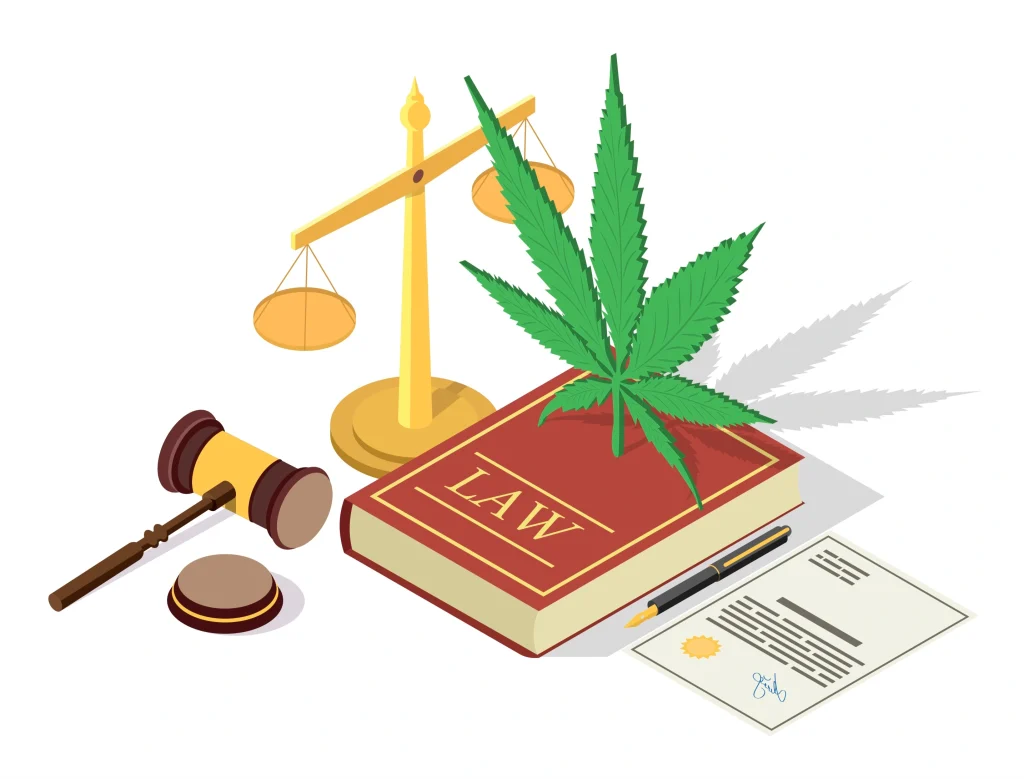
Communities asking whether marijuana legalization is safe are getting a clearer answer every year: regulation manages risk far better than prohibition ever did.
Licensed dispensaries check identification before every sale, something street dealers never do. Products sold through legal channels undergo lab testing for contaminants, potency, and dosage accuracy, information illicit sellers can’t provide.
States collect tax revenue from legal sales and reinvest portions into public health and prevention programs. Prohibition never eliminated youth access to cannabis; it simply removed oversight over how that access happened.
Regulation adds the safeguards that illicit markets were never built to include.
How Licensed, Age-Gated Access Keeps Cannabis Away from Teens
Age verification forms the backbone of every legal cannabis system in the country. Before any purchase, licensed retailers scan government-issued identification and log the transaction, creating accountability that illegal sellers avoid entirely.
Medical marijuana programs add another layer of protection, as patients must qualify through a licensed physician and hold a valid card before buying from a dispensary. This structure helps explain why teen use keeps declining even as more states open legal markets.
Patients renewing their own card each year benefit from this same system of verified, doctor-approved access. Anyone due for renewal can start the renewal process online in minutes.
Get Your Medical Marijuana Card Safely and Legally with Elevate Holistics
The data is clear: legal, regulated cannabis access does not increase teen use, and answering does marijuana legalization increases teen use with real numbers helps replace fear with facts.
For adults ready to access cannabis legally, Elevate Holistics offers same-day appointments with board-certified physicians, transparent pricing starting at $75, and a money-back guarantee if you’re not approved.
The entire process happens online, making it accessible to patients in rural areas without a nearby clinic. Our team also guides you through your state’s registration requirements so nothing gets missed.
Get your medical marijuana card today and join the growing number of patients choosing the legal, regulated path over the illicit market.