

Table of Contents
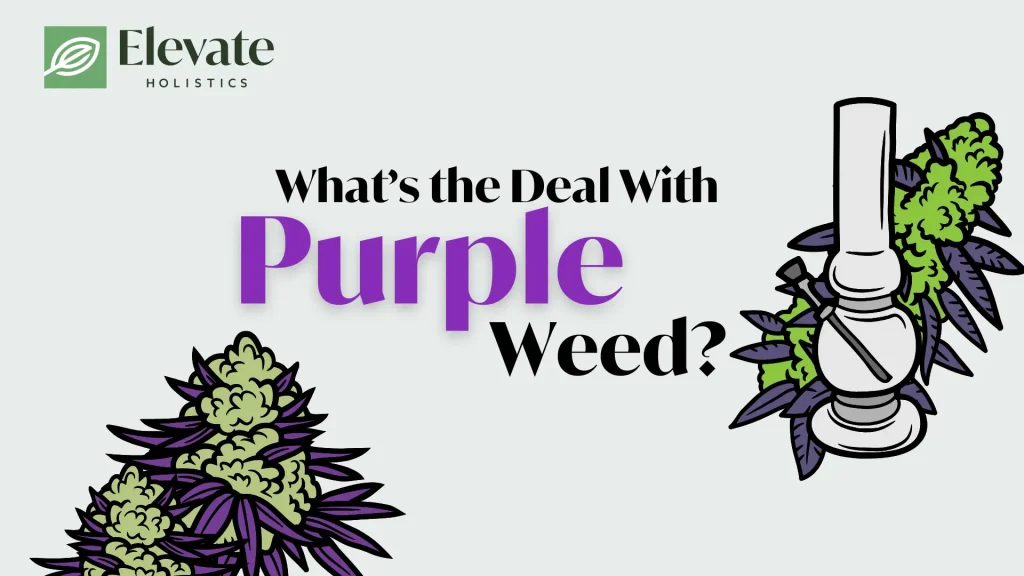
TogglePurple weed is cannabis with purple, blue, or violet coloring caused by anthocyanins, natural pigments found in many plants. The color comes from genetics and cold temperatures during flowering, not artificial additives.
If you’ve ever spotted deep purple buds at a dispensary and wondered whether they’re worth the premium price, you’re not alone. Does the striking color mean stronger effects? Better quality? Different medical benefits?
This guide breaks down the science behind purple cannabis, debunks common myths about potency, and helps you decide whether purple strains deserve a spot in your collection. You’ll discover what creates the color, which popular strains deliver the best experiences, and how to spot fake purple weed.
What is Purple Weed?
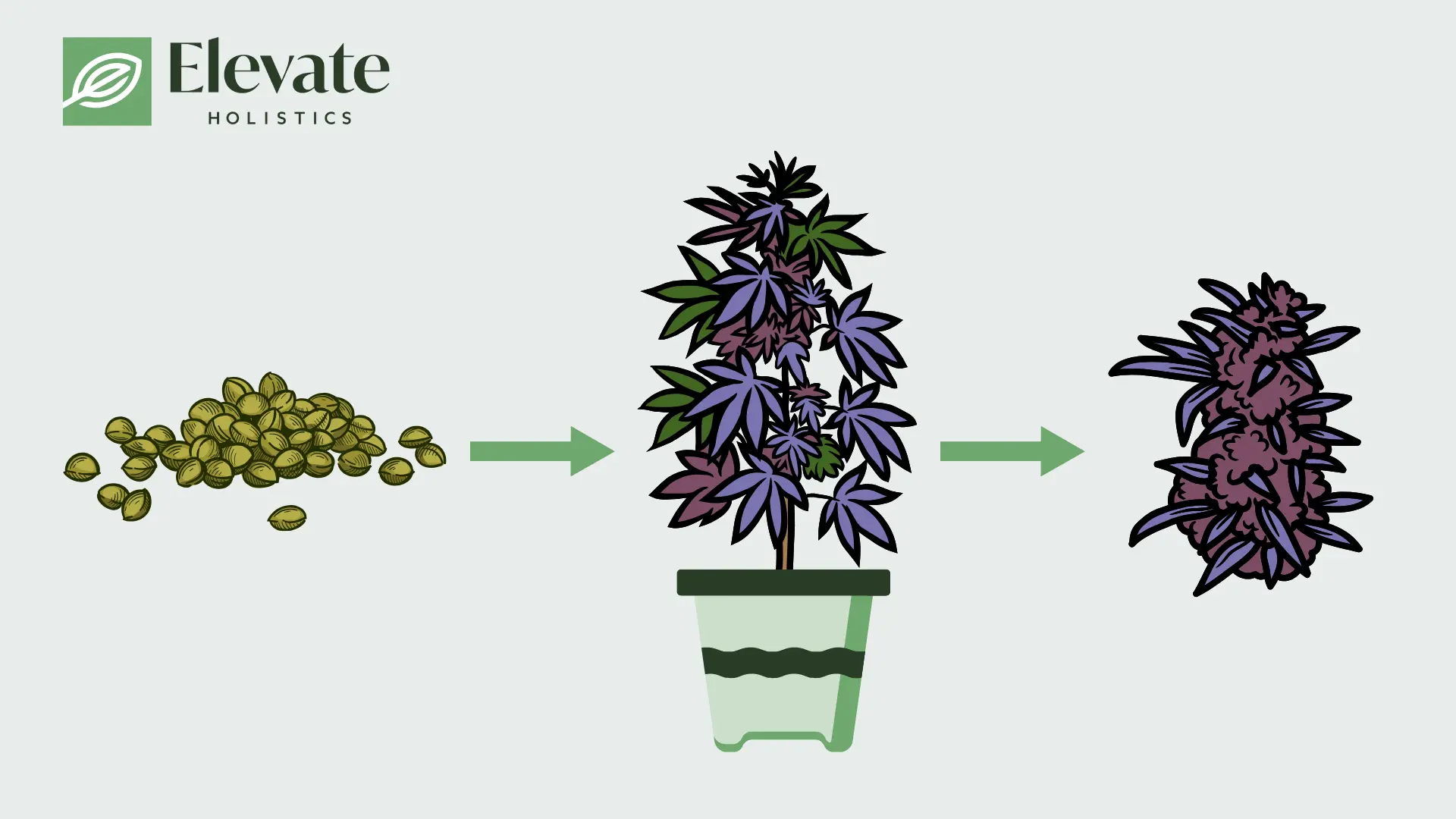
Purple weed is cannabis that displays purple, blue, or violet coloring in its buds, leaves, or stems. This distinctive coloration occurs naturally when the plant produces high levels of anthocyanins, the same pigments that make blueberries blue and fall leaves red.
You’ll find purple cannabis strains throughout dispensaries, often commanding attention with their striking appearance. While the vibrant colors are eye-catching, they’re simply a visual characteristic rather than an indicator of quality or potency.
The purple coloration appears most prominently in the flower buds, though some strains also show purple hues in their leaves and stems. The intensity can range from subtle lavender tints to deep, rich violet shades that look almost black.
What Makes Cannabis Turn Purple?
Two primary factors create purple cannabis: genetics and cold temperatures during flowering. Both elements must work together to produce the signature purple coloration.
Anthocyanins are the key. These water-soluble pigments belong to a family of compounds called flavonoids. Cannabis plants naturally contain small amounts of these pigments, but purple strains have been specifically bred to produce higher concentrations.
The process works similarly to autumn leaves changing color. During flowering, when cannabis plants experience cooler nighttime temperatures, chlorophyll (the green pigment) begins to break down. As green fades, the purple anthocyanins become visible.
Here’s what triggers the color change:
Genetic Predisposition
- Strains must carry genes for anthocyanin production
- Purple parents typically produce purple offspring
- Not all green strains can turn purple, regardless of conditions
Temperature Requirements
- Nighttime temperatures between 50-59°F (10-15°C) during flowering
- Temperature differential between day and night encourages expression
- Cold stress triggers increased anthocyanin production
pH Levels
- Acidic conditions enhance purple and red hues
- More alkaline conditions can shift colors toward blue
- Plant pH naturally varies with temperature changes
The anthocyanins serve a protective function for the plant. They act as natural sunscreen, protecting tissues from light stress and temperature fluctuations. They also have antioxidant properties that help the plant manage environmental stress.
Is Purple Weed Better Than Regular Weed?
Purple weed isn’t inherently better or stronger than green cannabis. Color alone doesn’t determine quality, potency, effects, or therapeutic value.
The compounds that actually matter for your experience are cannabinoids (like THC and CBD) and terpenes (aromatic compounds that influence effects and flavor). These exist independently of color. A green strain can have higher THC than a purple one, and vice versa.
What actually determines quality:
- THC and CBD content (varies by genetics, not color)
- Terpene profile (creates effects and flavors)
- Growing conditions (nutrients, light, care)
- Harvest timing (affects cannabinoid development)
- Curing process (preserves potency and flavor)
That said, purple strains do offer some unique characteristics worth considering:
- Aesthetic Appeal: Purple buds are visually stunning and make for an enjoyable experience. Many consumers appreciate the variety and craftsmanship that goes into producing colorful strains.
- Potential Terpene Variations: Some purple strains develop distinct flavor profiles with grape, berry, or floral notes. These flavors come from specific terpene combinations that may be more common in purple genetics.
- Antioxidant Content: Anthocyanins have antioxidant properties in foods like blueberries. However, you’d need to consume impractical amounts of cannabis to get meaningful antioxidant benefits from anthocyanins alone.
The bottom line: Choose strains based on their cannabinoid and terpene profiles, not their color. A well-grown purple strain with the right profile for your needs will serve you well, but so will a green strain with similar characteristics.
Does Purple Weed Get You Higher?
No, purple weed doesn’t produce stronger effects than green cannabis. Color has no direct relationship to THC levels or overall potency.
THC content varies dramatically across both purple and green strains. For example, Granddaddy Purple typically ranges from 17-23% THC, while some green strains exceed 25% THC. Meanwhile, other purple strains may contain lower THC levels around 15%.
What actually creates stronger effects:
- Higher THC percentage (the primary psychoactive compound)
- Cannabinoid ratios (THC, CBD, CBN, and others working together)
- Terpene content (influences how cannabinoids affect you)
- Consumption method (smoking, vaping, edibles absorb differently)
- Individual tolerance (varies person to person)
Why the myth persists:
Many popular purple strains happen to be potent, leading people to associate color with strength. Granddaddy Purple, Purple Kush, and Purple Punch all deliver powerful effects, but that’s due to their genetics and THC content, not their purple hue.
Additionally, purple strains often come from indica-dominant genetics, which tend to produce relaxing, sedative effects. People may interpret these heavy-body sensations as “stronger” when they’re actually just different from sativa effects.
The color you see is simply pigmentation in the plant tissue. It doesn’t alter how cannabinoids interact with your endocannabinoid system or change the intensity of your experience.
What Are Some Popular Purple Weed Strains?
Every purple strain is going to look different. While some buds demonstrate extremely deep violet colors, others will only have slight hues of mauve or plum.
Just because one strain is more purple than the other doesn’t mean that strain is any better! It’s simply just genetics.
If you’re looking for some well-known grape-like strains, we’ve got you covered. Here are a handful of high-quality dark purple strains that you’ll love for more than just their color.
Strain Comparison Table
| Strain Name | Type | THC Range | Primary Effects | Flavor Profile |
|---|---|---|---|---|
| Granddaddy Purple (GDP) | Indica | 17-23% | Deep relaxation, euphoria, sleepiness | Grape, berry, sweet |
| Purple Haze | Sativa | 15-20% | Creative, energetic, uplifting | Berry, earthy, spicy |
| Purple Kush | Indica | 17-27% | Body relaxation, sedation, pain relief | Earthy, sweet, grape |
| Sour Grape | Indica | 18-22% | Energetic, calm, stress relief | Grape, sour, fruity |
| Grape Ape | Indica | 18-21% | Full-body relaxation, stress relief | Grape, berry, tropical |
| Purple Thai | Sativa | 20-23% | Euphoric, relaxing, uplifting | Fruity, tropical, sweet |
Grandaddy Purple (GDP)
A blend of Purple Urkle and Big Bud, Granddaddy Purple is one of the most distinctive, sought-after purple strains in the cannabis industry.
This indica-dominant purple marijuana strain was introduced to California in the early 2000s by Ken Estes, and its appeal has not dropped since then.
Its aroma is a pleasing note of grapes and berries. Many people turn to Granddaddy Purple to combat pain, stress, loss of appetite, and insomnia.
After use, they report feelings of euphoria, sedation, relaxation, and increased appetite.
Purple Haze
Purple Haze is one of the very few pure purple sativa strains in the world and is generally just about the most sought-after strain globally.
This purple marijuana strain is so good Jimi Hendrix popularized it in his 1967 hit song titled Purple Haze.
Its flavor is a mix of earthy and sweet, and its aroma will have you thinking of berries and spices. Purple Haze is a favorite because of the creativity and energy it inspires.
Purple Kush
Purple Kush does its namesake justice: this strain offers deeply purple leaves with a sweet aroma and earthy flavors that you’ll be sure to fall in love with.
A cross of Hindu Kush and Purple Afghani, Purple Kush boasts powerful indica effects that are great for enjoying after a long, hard day.
The distinct effects mixed with vibrant colors make this cannabis strain one of the most popular purple options on the market. (Not to mention its high THC content.)
Sour Grape
If the name didn’t give it away yet, this purple strain is legendary for its fruity aroma.
Sour Grape is an indica-dominant blend of Sour Diesel and GDP with some bits of sourness to boot. We’d describe this strain as potent, pure, and oh-so-purple.
If you want something that makes you feel energetic and calm simultaneously, reach for this one. Its relaxing effects make it perfect for stress relief, and consumers have also reported that it helps with relieving muscle tension.
Grape Ape
Grape is a potent indica-dominant hybrid that’s beyond purple. It’s the result of a cross between Mendocino Purps, Skunk, and Afghani.
Its THC level averages 18%-21%, so if you want a truly immersive high, this is just right for you.
Users report a relaxing, full-body experience that culminates in deep, sedative effects; so, it’s best to enjoy at night when you have nowhere to go or work to do.
It can help alleviate the symptoms of insomnia, chronic pain, appetite loss, anxiety, and depression.
Purple Thai
As the name implies, this strain has a dark purple color and a fruity taste.
Purple Thai is a sativa-dominant strain that Oaxacan Gold and Chocolate Thai created. Many cannabis enthusiasts flock to this strain for its high THC levels, usually ranging around 23%.
Consumers report a deep feeling of euphoria and relaxation that fills the mind and disperses the gloomy clouds. It can help alleviate the symptoms of muscle soreness, appetite loss, and neuropathy.
How Can You Tell If Purple Weed Is Real?
Real purple weed shows natural, consistent coloration throughout the buds with intact trichomes. Several characteristics help you distinguish authentic purple cannabis from artificially colored or stressed plants.
Signs of Authentic Purple Weed:
Natural purple coloring appears in the calyxes (the bud structure itself), not just sugar leaves. The color should look organic, with gradients from green to purple rather than uniform artificial tones.
Trichomes remain clear, cloudy, or amber. They should sparkle under light and show no discoloration. The crystal coating should be abundant if the strain was grown properly.
The purple color holds up under different lighting. Natural anthocyanins maintain their hue whether viewed under natural light, LED, or flash photography.
Other parts of the bud may show color too. Look for purple in the stems, leaves, and pistils (the small hairs), not just surface leaves that are easy to manipulate.
Red Flags for Fake or Poorly Grown Purple:
- Overly Uniform Purple: If every millimeter is the same shade of purple with no green visible, be suspicious. Natural coloring shows variation and gradients.
- Purple Only on Sugar Leaves: Leaves turn color more easily than buds. If only the outer trim leaves are purple while the bud itself is green, the plant experienced cold stress or food coloring application.
- Dull or Brownish Trichomes: Damaged trichomes indicate poor handling, old product, or artificial coloring attempts. The crystals should sparkle, not look dingy.
- Chemical Smell or Odd Texture: Food coloring leaves behind unnatural scents or sticky residue. Properly grown purple weed smells like cannabis with strain-specific terpenes.
- Unusually Low Price: Premium purple genetics often command higher prices due to their visual appeal. Extremely cheap purple weed may indicate poor quality or fake coloring.
- Purple Washing Off: If purple color transfers to your fingers when handling buds, someone applied food dye or other colorants. Natural anthocyanins don’t rub off.
When shopping at licensed dispensaries, you have more protection. Most regulated markets test products and require accurate labeling.
Buying from trusted sources with good reputations provides the best guarantee of authentic purple strains.
Bottom Line: Should You Choose Purple Weed?
Choose purple weed when you want specific strains that happen to be purple, not just because of the color. Make your decision based on cannabinoid content, terpene profile, and reported effects.
Purple strains offer beautiful aesthetics and often feature unique flavor profiles with grape, berry, or floral notes. Many legendary strains like Granddaddy Purple, Purple Kush, and Purple Punch have earned their reputations through consistent quality and desirable effects, not just their appearance.
If you have a medical marijuana card, you’ll have access to a wider selection of purple strains at better prices. The color doesn’t provide medical benefits, but many therapeutic strains happen to display purple genetics.
When Purple Weed Makes Sense:
- You’ve researched the specific strain and its effects match your needs
- You enjoy the aesthetic experience of colorful cannabis
- The strain’s terpene profile appeals to your taste preferences
- You want variety in your cannabis collection
- The pricing is reasonable compared to similar green strains
When to Skip the Purple:
- You’re paying a significant premium only for color
- A green strain offers better THC/CBD ratios for your needs
- You can’t verify the strain’s authenticity
- The purple appears artificial or suspicious
Remember that many purple strains lean indica-dominant, producing relaxing, sedative effects. If you need daytime energy or creative stimulation, you might prefer sativa-dominant green strains or the rare purple sativas like Purple Haze.
Ready to explore purple strains at your local dispensary?
Having a medical marijuana card gives you access to better prices and higher purchase limits. Get your MMJ card through Elevate Holistics in three easy steps, all from home. You’ll meet with a licensed physician who can determine if cannabis is right for you based on your qualifying conditions.